When We Lose A Dream
May 18, 2020 | Doors Open
Open Doors Blog
By Jim Maurer
Clinical Social Worker
Carle Psychiatry and Psychology
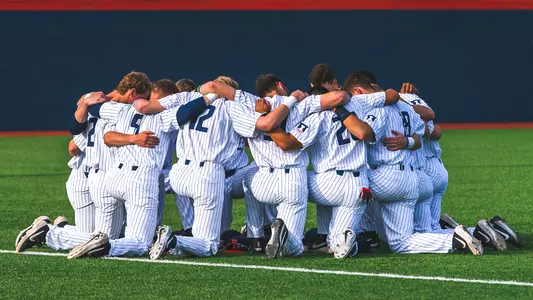
For many athletes, the abrupt ending to the winter and spring sports seasons due to COVID-19 health concerns, was like losing a dream.
From a mental health perspective it has been very difficult for many athletes to have lost their seasons, their normal training, being around their teammates and friends, and having the face to face support and encouragement of their Coaches, Strength Coaches, Athletic Trainers, and the Nutrition staff.
Added to the loss of their normal development in being an elite athlete, they have also lost the consistency of their daily routine in being a student. The majority of student-athletes have returned home, which has also disrupted being a normal college student and having the normal college experiences. For many athletes this means the loss of dreams for their season or just the natural progression of being an elite student-athlete.

The loss of a dream is experienced in many different ways, with many different emotions. When dreams are lost this is often very stressful. When dreams are lost, we often experience the loss of those dreams as GRIEF. It is very common when we experience a loss to experience the following feelings:
- Disbelief
- Denial that it happened
- Surprise/shock
- Sadness
- Anger/irritability – "Not fair"
- Feel numb
- Frustration
- Feeling anxious/nervous that it feels unfinished
- Feeling remorse/regret
- Decreased motivation
- Feeling abandoned
- Feeling meaningless – "What was the point?"
- Loss of opportunity
- Questions for the future? "What about me?"
- Fear of the future
- Protest
For athletes this sense of loss and grief can be even more difficult due to "tunnel vision syndrome". The "tunnel vision syndrome" affects many elite athletes to varying degrees at some stage of their careers. Athletes often suffer from tunnel vision as they spend so much time – hours and hours on a daily basis - thinking only of training, practicing, competiting, and results." Thus, athletes often struggle with the loss of their sport. Athletes often feel a void, an emptiness when a sport is suddenly taken away. They often experience the grief process.

POSSIBLE SYMPTOMS OF GRIEF
Physical – expressions of grief often include crying and sighing, headaches, loss of appetite, difficulty sleeping, tiredness/fatigue, feeling "heavy", stress related aches and pains, feeling restless, feeling hyper/can't sit still or just sitting, weight change.
Emotional – expressions of grief include feeling sadness and yearning, feelings of unreality, feeling empty, anxiety, frustration, anger, longing, meaninglessness, abandonment, relief.
Social – expressions of grief may include feeling detached from other, isolating, behaving in ways you normally wouldn't (alcohol use, drug use), being overly sensitive, withdrawn, lack of interest or initiative.
Behavioral – expressions of grief may include feeling "foggy", being forgetful, slower thinking, lack of concentration.
Spiritual – depending on your beliefs, you may questions "why?" "Why this year?" "Why now?" "Why me?"
WHAT TO DO – Tips for Athletes to adjust and manage the loss of their routine in sports:
- Give yourself time to let this sink in and settle.
- Adjust - - think through decisions related to what you are going to do – short-term and then long-term. Do this over time. Don't make any big decisions right now.
- Consider your options and seek advice, especially if you are a senior.
- Stay in your routines as much as possible – sleep, nutrition, daily schedule, academics, workouts, time to relax.
- Take care of business – you still have responsibilities, goals, and dreams. Focus on what you can do today to be better, not only athletically, but academically and as a person.
- Take on a new hobby if you have the time.
- Be around family, friends, teammates, coaches, and university support staff, when possible.
- Re-assess your goals, and if needed, create new goals – set Goals!
- Grieve when you need to. Be positive 90% of the time and grieve 10% of the time if you need to.
- Support each other – reach out to each other.
- When you need to, talk to family, friends, teammates, coaches, and support staff.
- Take care of your health.
- EXCEL in the classroom.
- Re-dedicate yourself to your sport and getting better – remember your "WHY".
- Find ways to stay engaged in your sport and with your team. Be creative with new ways to work out and improve. Share those with others!
- Set daily goals to improve some aspect of your performance – physical, mental, and emotional.
- Watch film.
- Utilize visualization.
- Focus on Physical fitness – take this time to improve your flexibility, strength, quickness, power, and overall health.
- Ask yourself a daily question – "Am I just putting in time, just doing the workout to get it done, OR Am I working today to get better.
- Focus on the Mental Aspects of the game – if you struggle in a certain mental aspect of your game this is a perfect time to talk with your coaches about this or work with Jim individually.
- Lastly, it is very important if a student-athlete is struggling and needs help that they reach out. Sometimes it only takes a session or two to talk through what a student-athlete is experiencing, especially during this very unusual time that we are in. Utilize your support system.
- To reach out to your Mental Health Team just email Jim Maurer, Program Manager for Mental Health and Performance at jim.maurer@carle.com
References
Grief: Physical Symptoms, Effects on Body, Duration of Processwww.webmd.com › Health & Balance
The darker side of sports: Career-ending athletic injuries and ...tsl.news › the-darker-side-of- sports-career-ending-athletics-injuries
The normal process of grieving - Harvard Healthwww.health.harvard.edu › newsletter_article the-nor...
Coping with Grief and Loss - HelpGuide.orgwww.helpguide.org › articles › coping-with-grief-
Life after sport: Depression in the retired athlete ...believeperform.com › life-after-sport-depression-in-reti...